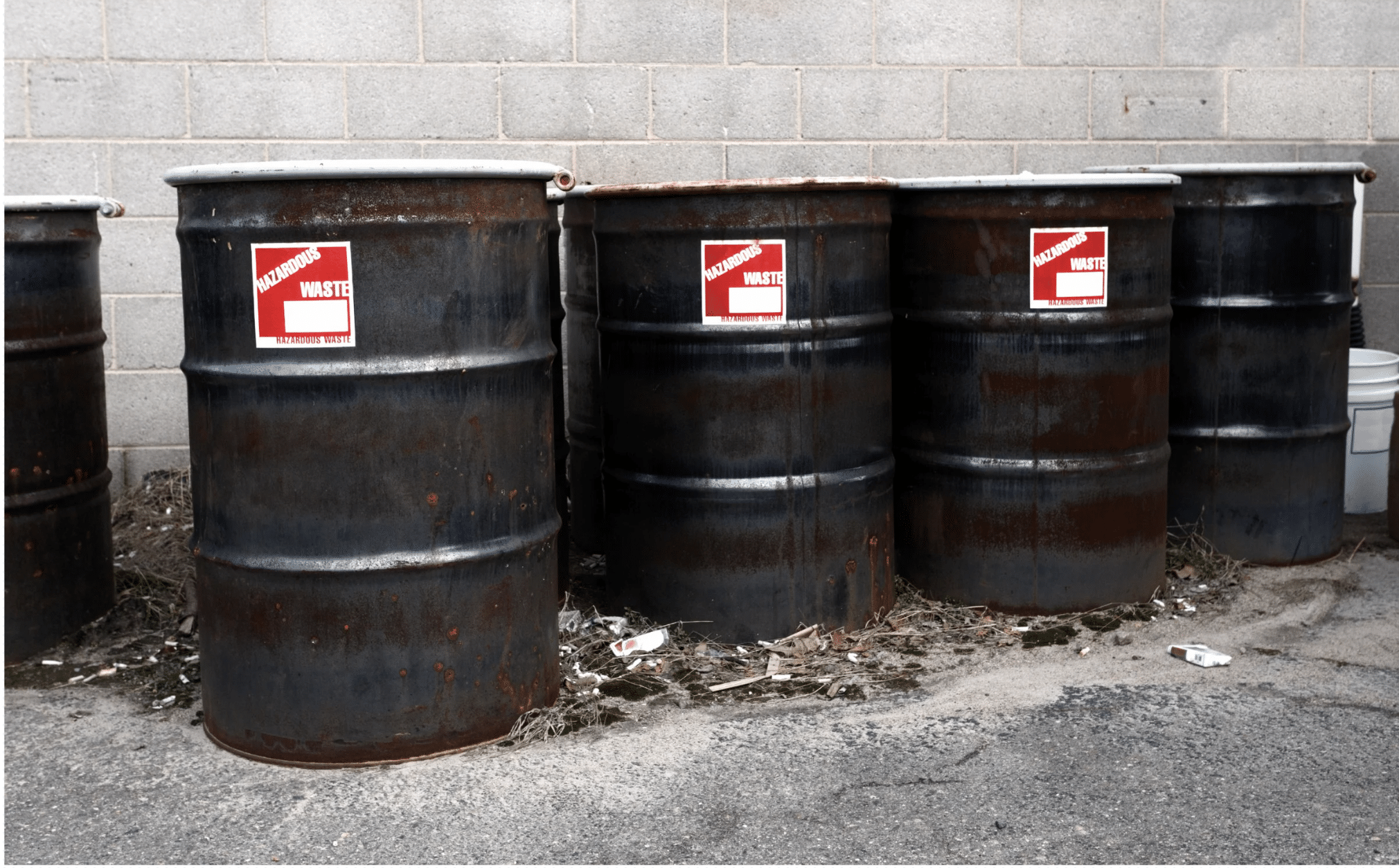



Running a shooting range comes with more responsibility than most people realize. Between lead management, ventilation systems, and ongoing maintenance, there’s a lot happening behind the scenes to keep your facility operating safely and efficiently.
One area that often gets overlooked? Flammable waste.
Vacuum dust at shooting ranges generally contains some amount of spent gun powder which is ignitable waste. Understanding what qualifies as flammable waste, and how to manage it properly, will protect your operation, your staff, and your long-term business stability.
Let’s break it down.
What Is Considered Flammable Waste?
Flammable waste (sometimes referred to as ignitable waste) includes materials that can easily catch fire under certain conditions.
At shooting ranges, common sources of flammable waste are:
- Floor sweepings from the firing line
- Vacuum dust from the firing line
- Flammable liquid residues
Unspent gun powder mixes with target paper and other debris when floors are swept and vacuumed. Friction can ignite the powder in the waste and the debris will act as a fuel source for a fire. When accumulated over time, even small quantities can present real risk if not stored and disposed of properly.
Why Flammable Waste Matters for Gun Ranges
Shooting ranges are already high-energy environments. You’re dealing with:
- Firearms discharge
- Ammunition residue
- Powder particles
- Lead management systems
Adding unmanaged flammable materials into the mix increases unnecessary exposure to fire hazards.
But the concern isn’t just fire risk.
Improper storage or disposal of flammable hazardous waste can lead to:
- Environmental contamination
- Facility damage
- Insurance complications
- Operational disruptions
Managing flammable waste isn’t about alarmism — it’s about running a tight, professional operation.
How Should Flammable Waste Be Stored?
Proper storage is the first line of defense.
Best practices include:
- Keep sweeping wet
- Minimize handling of the waste
- Clearly labeling waste containers
- Keep containers sealed when not in use
- Separating flammable waste from incompatible materials
Even if quantities seem small, consistent procedures make a big difference over time.
Is Flammable Waste Considered Hazardous?
Certain flammable wastes fall under ignitable hazardous waste classifications depending on flash point and chemical composition. That means management must follow RCRA guidelines, not just standard trash removal.
Working with a waste management partner familiar with gun range environments eliminates guesswork. They will know what waste streams a range generates and how to safely manage them.
Disposal: Why It’s Not a DIY Job
It can be tempting to treat small amounts of flammable waste as routine shop waste. But disposal requirements vary based on material type and accumulation volume.
Professional waste management providers can:
- Identify whether materials qualify as ignitable waste
- Provide proper containers
- Coordinate safe transportation
- Ensure materials are processed appropriately
This protects your business. Accidents are expensive.
Flammable Waste and Overall Range Operations
Flammable waste management doesn’t exist in isolation.
It connects directly with:
- Rubber berm trap cleaning
- Lead reclamation processes
- Metals recycling
- Ventilation system maintenance
- General hazardous waste handling
A coordinated waste management strategy helps streamline operations instead of creating separate headaches for each material type.
When everything is handled through a knowledgeable partner, it simplifies logistics and improves consistency.
Simple Steps Range Owners Can Take Today
If you’re unsure about your current flammable waste practices, start here:
- Review how used materials are collected and stored
- Check that containers are properly labeled
- Confirm disposal procedures align with best practices
- Schedule a professional evaluation if needed
Small adjustments now prevent larger issues later.
Why Work with Range Environment Solutions?
Range Environment Solutions supports shooting ranges with:
- Hazardous waste disposal
- Rubber berm trap cleaning
- Metals recycling
Because their focus is on shooting ranges, they understand how flammable waste fits into the bigger operational picture and how best to manage it.
Instead of managing multiple vendors or piecing together disposal methods, range operators can rely on a team that understands the unique waste streams generated in shooting facilities.
Key Takeaways
- Shooting ranges generate flammable waste through spent gun powder at the firing line.
- Proper storage reduces fire and environmental risk
- Disposal should be handled responsibly and professionally
- Integrated waste management simplifies operations
Let’s Talk About Your Waste Management Plan
If you’re reviewing your facility’s maintenance procedures or unsure how flammable waste is currently handled, now is the time to evaluate your process.
Call Range Environment Solutions to discuss your hazardous and flammable waste needs and build a waste management approach that supports safe, efficient range operations.