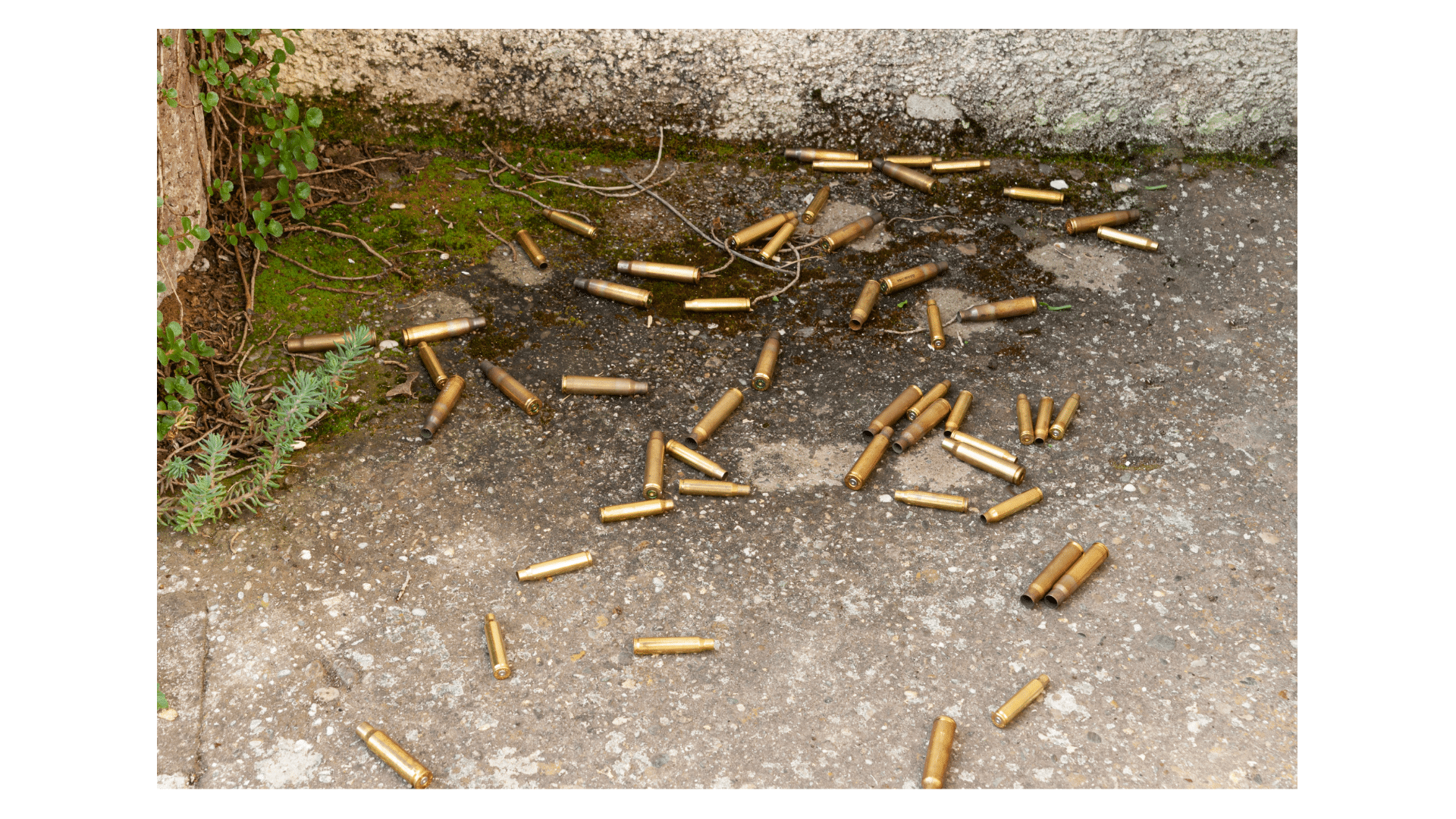

Hazardous Waste Definition and the Dangers of Lead at Firing Ranges
Hazardous materials like lead, powder residue, and reactive agents build up fast at firing ranges, and they can create major safety and compliance risks. If you manage a range, knowing what qualifies as hazardous waste is more than a legal requirement. It protects your staff, your customers, and your business.
Learn the clear hazardous waste definition, what counts as firing range hazardous waste, and how to handle it responsibly.
What Is Hazardous Waste?
The official hazardous waste definition from the U.S. Environmental Protection Agency (U.S. EPA) includes any waste that poses a potential threat to public health or the environment. These materials may be ignitable, corrosive, reactive, or toxic, and they can appear in solid, liquid, or gas form.
Hazardous waste often comes from industrial or commercial operations, including firing ranges. Improper handling can contaminate soil, harm wildlife, and expose workers to serious health risks. That’s why identification, containment, and proper disposal are non-negotiable for any responsible operator.
Types of Hazardous Waste at Firing Ranges
Firing ranges generate specific forms of hazardous waste that require proper identification and handling. The most common threats include lead contamination and reactive waste, both of which pose serious health and environmental risks if left unmanaged. Understanding how this waste is created and how it behaves helps range operators implement smarter, safer protocols.
Hazardous waste often comes from industrial or commercial operations, including firing ranges. Improper handling can contaminate soil, harm wildlife, and expose workers to serious health risks. That’s why identification, containment, and proper disposal are non-negotiable for any responsible operator.
Lead Contamination
Lead contamination is the most prevalent and dangerous form of firing range hazardous waste. It builds up over time from expended ammunition. As bullets break apart or vaporize on impact, tiny lead particles accumulate in the soil, dust, berms, and backstops.
This contamination can:
- Leach into groundwater.
- Be inhaled as airborne dust.
- Transfer onto clothing and equipment.
Even low levels of lead exposure can damage the nervous system, kidneys, and reproductive system. Long-term accumulation also harms wildlife and nearby ecosystems. Because lead does not degrade naturally, it requires proactive removal or containment to prevent chronic exposure.
Reactive Waste
Reactive waste refers to substances that can explode, emit toxic gases, or react violently with water or air. At firing ranges, this can include:
- Dust from vacuum cleaners that contains gunpowder.
- Old or misfired ammunition.
- Expired chemical cleaners or solvents.
These materials become especially dangerous when stored incorrectly or mixed with incompatible substances. Reactive waste poses immediate risks to staff, visitors, and the surrounding environment and must be separated, labeled, and handled under strict guidelines.
Proper classification of lead and reactive waste is a foundational step in legal compliance and safety planning. Firing range operators who recognize these risks can build more effective cleanup, containment, and disposal protocols.
Managing Hazardous Waste at Firing Ranges
Safe operation depends on actively managing the types of waste your range produces. For firing range hazardous waste, this means creating a system for monitoring, handling, and disposing of lead, reactive materials, and other contaminants that pose environmental or health risks.
Start by conducting regular waste audits. These reviews help you pinpoint where contamination builds up, including berms, bullet traps, shooting bays, and ventilation systems. Tracking waste patterns over time allows you to schedule cleanups more efficiently and focus resources where they matter most.
To reduce risk and maintain compliance:
- Train staff thoroughly on how to identify, contain, and dispose of hazardous materials.
- Keep hazardous waste containers closed, stored in a secure area, and free of waste on the outside of the container.
- Store reactive materials at least 50 feet from the property line.
- Work with licensed hazardous waste haulers who follow federal and state regulations for proper disposal.
- Keep detailed records of all audits, cleanups, and disposal activity to demonstrate compliance during inspections.
Proactive management builds trust with regulators and your local community. It also lowers the risk of accidents, lawsuits, and costly environmental damage. A consistent approach to hazardous waste handling strengthens safety culture, protects the longevity of your facility, and keeps your operation running smoothly without unexpected shutdowns or fines.
Regulatory Considerations
Firing ranges must follow strict regulations when managing hazardous waste. These rules protect the environment and public health, and failure to comply can result in serious penalties. Understanding your responsibilities is key to maintaining a safe and legal operation.
Start by reviewing the U.S. EPA’s regulations found in
40 Code of Federal Regulations 262, which describes the requirements for hazardous waste generators. If you generate more than 220 pounds of hazardous waste in a month, you are required to obtain a U.S. EPA hazardous waste generator identification number. This number can be obtained by completing EPA Form 8700-12.
Key areas of compliance include:
- Proper labeling and storage of hazardous waste containers.
- Maintaining documentation of waste type, quantity, and disposal method.
- Training employees in waste handling procedures and emergency response.
- Following the timelines for removal and reporting as required by your generator status.
- In the event of a fire or explosion, the Emergency Coordinator must immediately contact the National Response Center at 1-800-424-8802.
These measures help reduce legal risk while building trust with your community and regulators.
Protect Your Range and Community Through Responsible Waste Management
Recognizing the types of firing range hazardous waste and how to manage them protects your business, your team, and the environment. Lead contamination, reactive waste, and other byproducts require consistent oversight and proper handling to stay compliant and safe.
Build a system that reflects best practices and aligns with U.S. EPA regulations. Doing so helps prevent costly violations and builds trust with your community. Stay proactive and work with professionals when needed to maintain a clean, safe range for everyone.